
The Hungarian economy closed 2025 with a mixed picture, caught between global headwinds and growth close to stagnation, while private consumption remains in moderate expansion thanks to the recovery of real wages.
Industrial production has been declining since the summer of 2022, with only sporadic positive corrections. In November, output fell by 5.4% year-on-year, penalised by weak foreign demand (especially from Germany) and the cyclical downturn in the automotive sector and related industries. Despite consumer demand, domestic sales also slowed due to rising imports. Confidence indicators improved slightly, but order volumes in key sectors still point to stagnation.
Industrial weakness was also reflected in foreign trade: Hungary recorded its first monthly trade deficit since mid-2024, with exports down 8.6% year-on-year and imports up 3.8%, supported by resilient domestic consumption and energy purchases. With sluggish foreign demand and rising domestic use, net exports are set to remain a drag on growth.
Fixed investment, declining since mid-2022, remains the main critical point, held back by weak confidence, excess capacity and uncertainty over EU funds. The construction sector confirms the picture with output down 5.6% year-on-year, although the increase in the order backlog suggests a possible rebound linked to infrastructure in the first quarter of 2026.
Retail trade and private consumption held up better than the rest of the economy, with modest growth in the final part of 2025 supported by rising real wages and slowing inflation.
On the public accounts front, the December deficit—higher than expected and partly linked to delays in EU fund reimbursements—brought the 2025 cash-basis deficit to 113% of the revised annual target. The 5%-of-GDP ESA deficit target depends on reconciliation items (including EU transfers), but the overshoot in the cash data signals a concrete risk of exceeding 5%. After a significant fiscal impulse in 2025 (and in the first half of 2026), the restrictive measures required after the elections could translate into a negative contribution to overall growth in 2026.
For the fourth quarter of 2025 and into 2026, a gradual recovery is expected, driven above all by private consumption. A slow improvement in the European economy could support exports and investment, but the rise in imports linked to domestic demand should keep the contribution of net exports negative in 2026. Growth is estimated at 0.4% in 2025, accelerating to 2.2% in 2026 thanks to more favourable external conditions and the realisation of large-scale foreign investment.
On the price front, inflation fell to 3.3% in December (from 3.8% in November) and seasonally adjusted core inflation to 3.8% (from 4%), signalling an easing of pressures. Disinflation should strengthen owing to base effects, a strong forint and the extension of the "margin cap" at the start of 2026: after an average of 4.4% in 2025, inflation is expected at 3.3% in 2026. However, the artificial compression of prices and the risk of increases when the measures are removed make the scenario less predictable; the fall in global energy prices remains a potential downside factor.
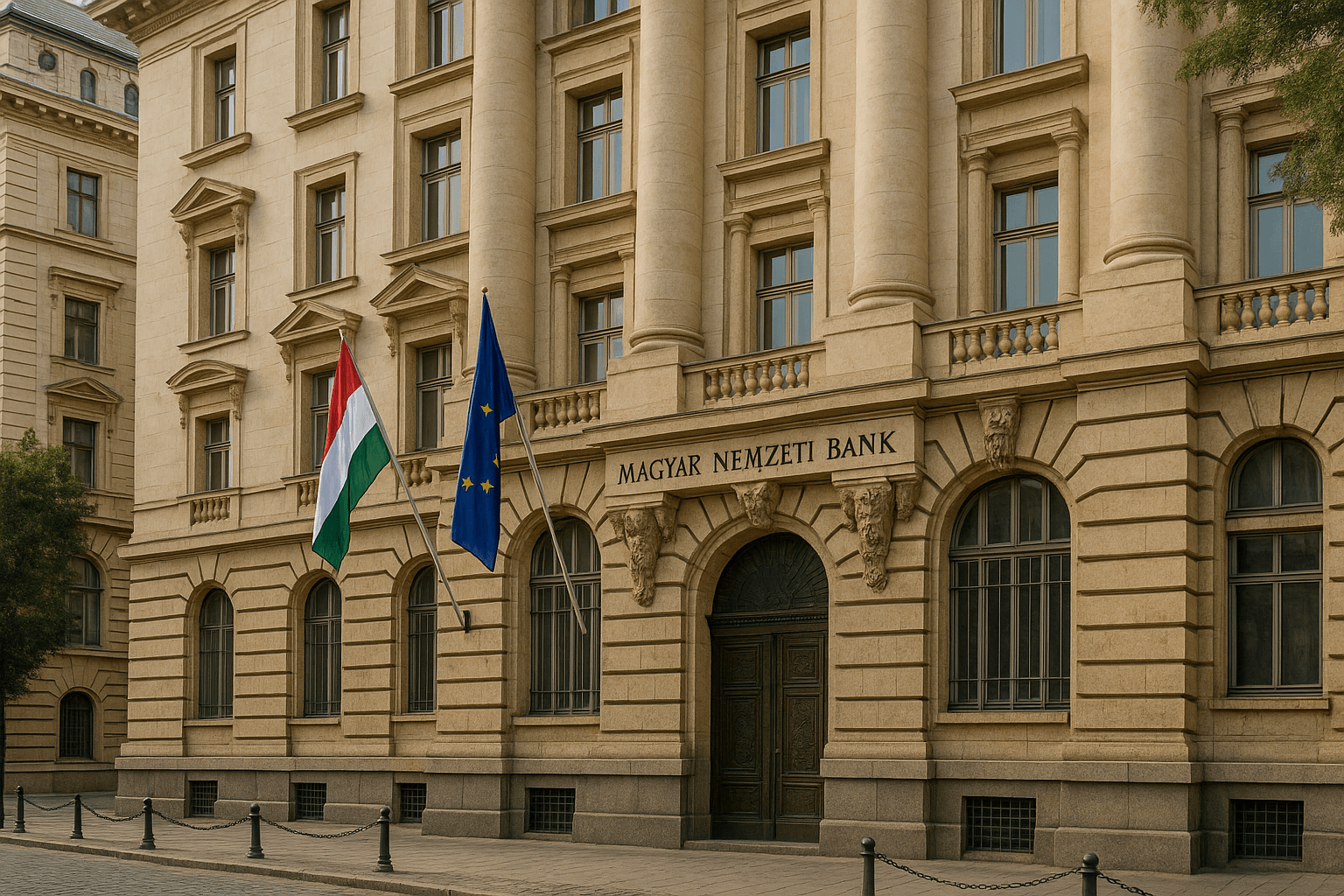
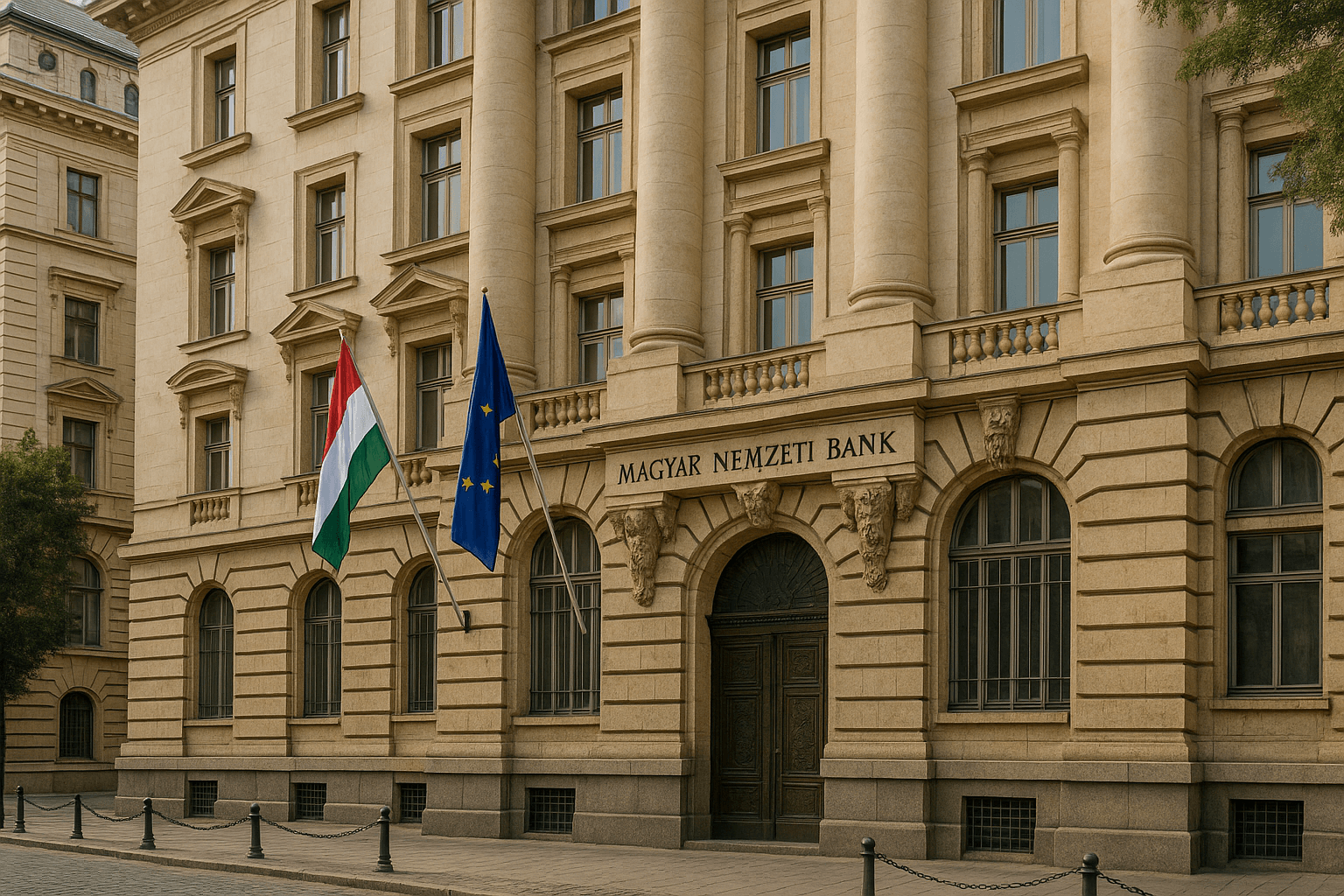
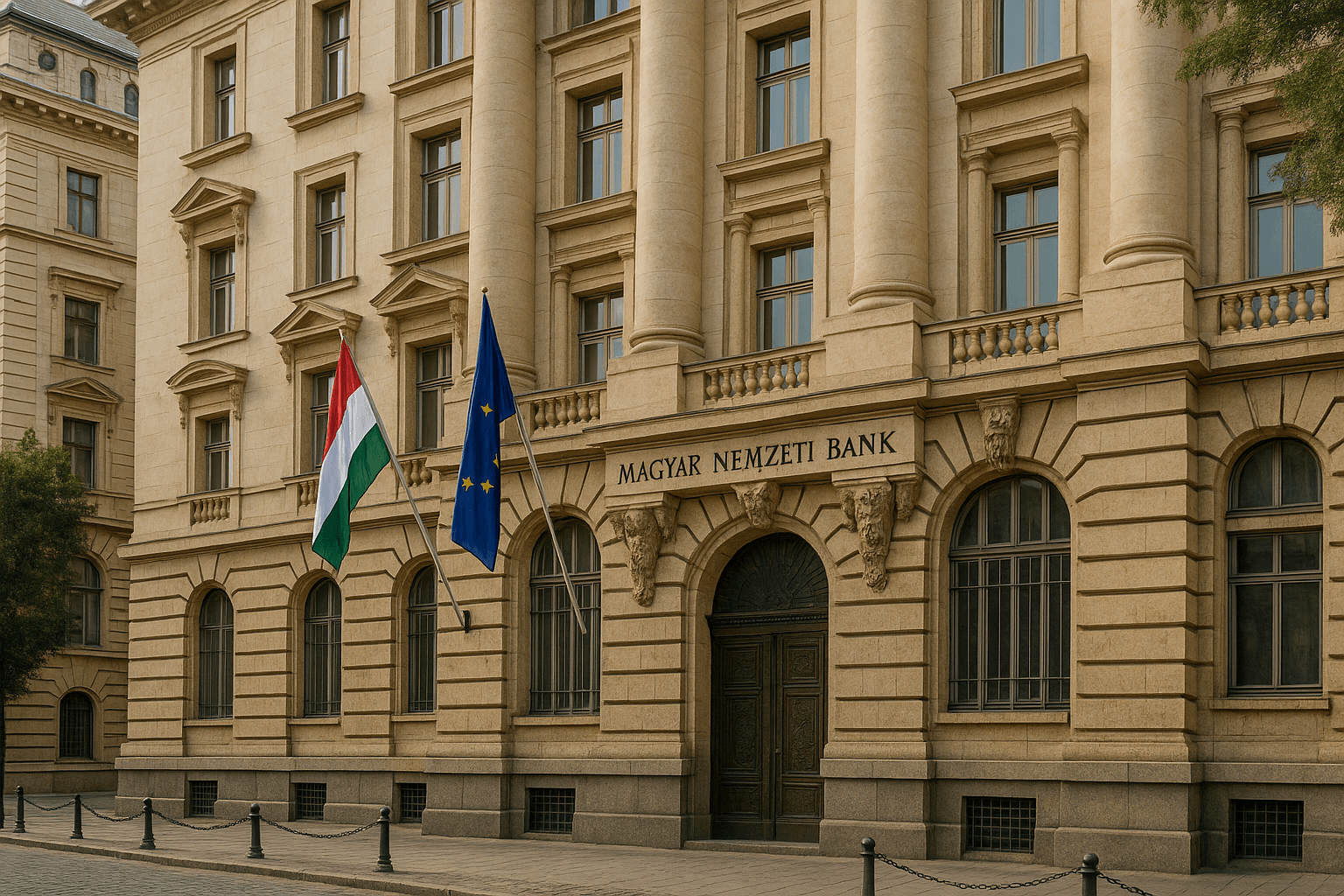
The slowdown in inflation creates room for the central bank to carry out two 25-basis-point rate cuts between February and March, bringing the rate to 6%, a level we expect to be maintained until the end of 2026. The likelihood of monetary easing in the first half of 2026, however, is partly contained by the conflicting signals behind headline inflation, which combines an explicit fall in goods price increases with growth in services prices that remains persistent.
Hungary Economic Review, December 2025 — Economic Focus in cooperation with UniCredit Bank.