
The Hungarian economy recorded stronger-than-expected growth in the first quarter of 2026, but much of the performance was driven by temporary factors, including extraordinary transfers to households and inventory accumulation. We forecast full-year GDP growth of around 1.3%, with private consumption remaining the main engine of the expansion and services continuing to outperform.
The report highlights a persistent structural weakness: growth in domestic demand increasingly translates into imports rather than supporting local production. Industrial sales on the domestic market remain significantly below 2022 levels, while domestic manufacturing has struggled to keep pace with rising consumer demand. Although large export-oriented investments such as BMW, CATL and BYD provide support in the medium term, implementation delays and a difficult global environment limit the upside in the short term.
Net exports are expected to remain a drag on growth, as imports benefit from stronger consumption, the rebuilding of fuel stocks and EU-funded investment projects. Meanwhile, construction and fixed investment are likely to remain subdued because of budget constraints and corporate caution. Faster disbursement of EU funds and the release of RRF resources represent the main upside risk.
Developments on the fiscal front remain a point of close attention. The budget deficit has improved relative to the annual target, helped by robust labour-market-related revenues and moderating interest expenditure. However, excessive pre-election spending (tax cuts and social transfers) and the policy initiatives just announced by the Tisza government continue to represent a risk. The government is still working on this year's supplementary budget and, according to the latest news, Prime Minister Péter Magyar has communicated a budget deficit of around 8% of GDP, against the original 5%: a figure worse than the trends known so far suggested.
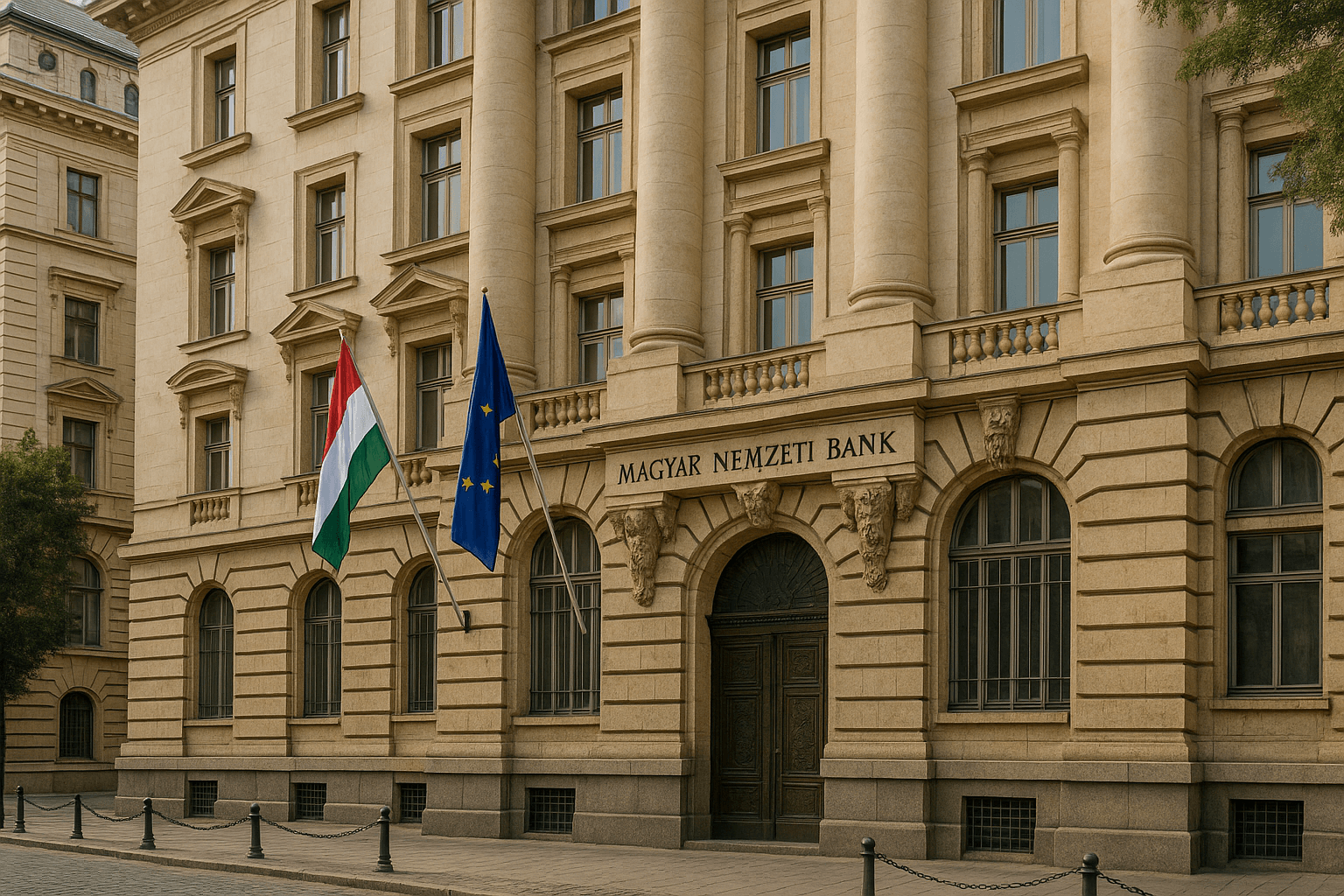
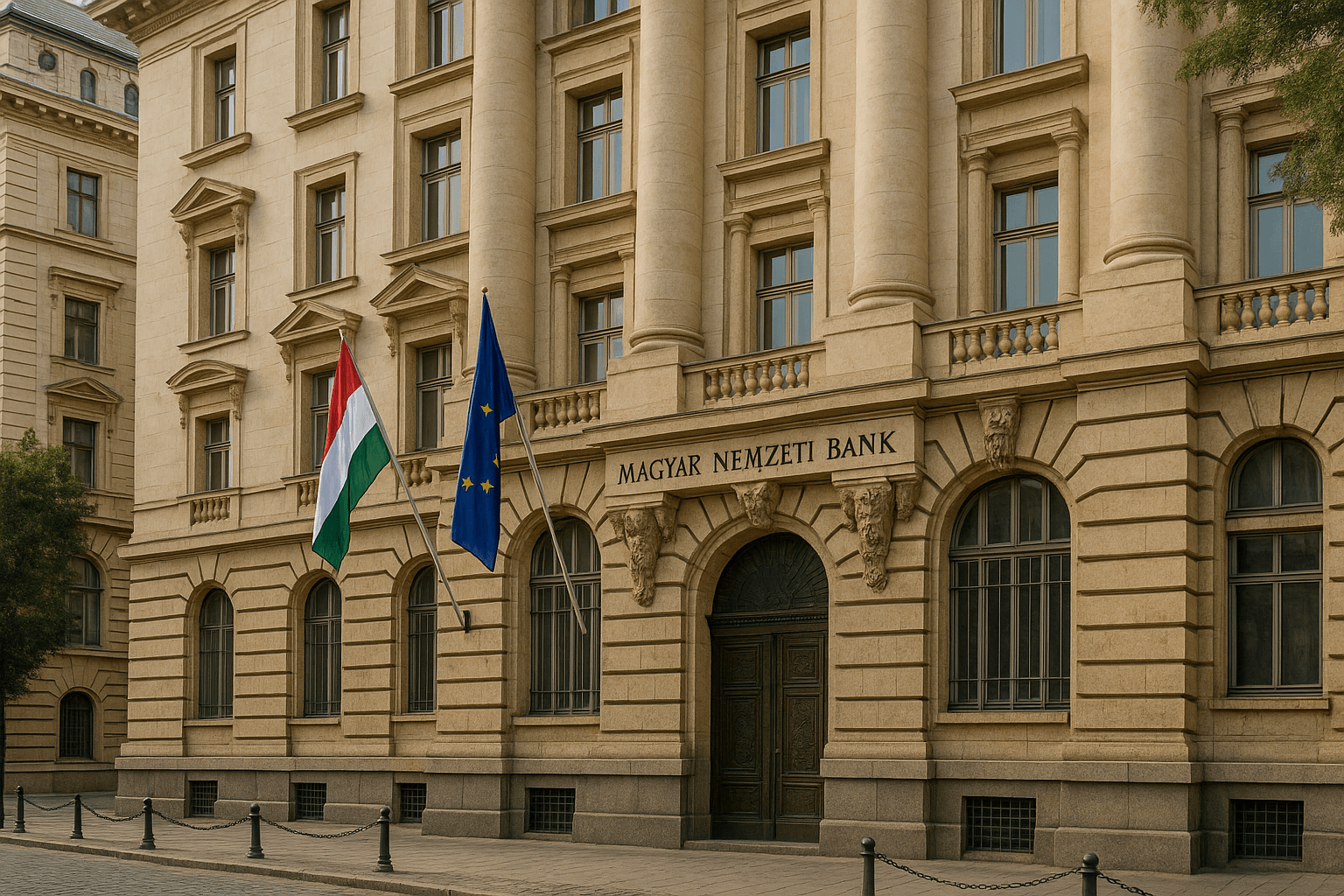
Inflation surprised on the downside in May, with headline inflation slowing to 1.8% and core inflation to 1.9% (lower food prices, a stronger forint, moderate repricing in services); it is expected to rise gradually towards 3% by the end of the year. Against this backdrop the Hungarian central bank has started an easing cycle, cutting the policy rate to 6.0%, with a base rate expected at 5.0% by the end of 2026, supported by favourable inflation dynamics and a stable currency.
The Economy Focus is produced in collaboration with UniCredit Bank Hungary — Macroeconomic Developments, June 2026.