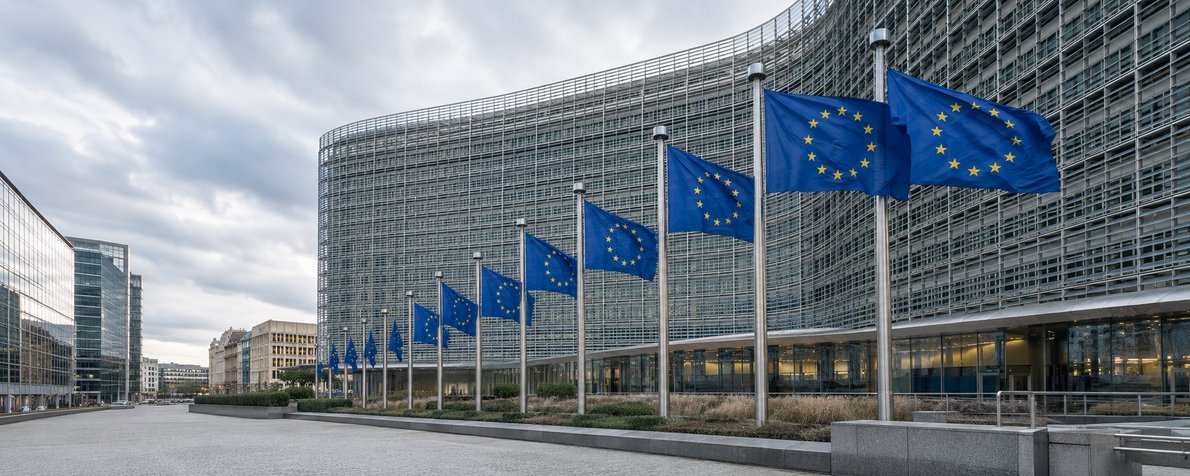
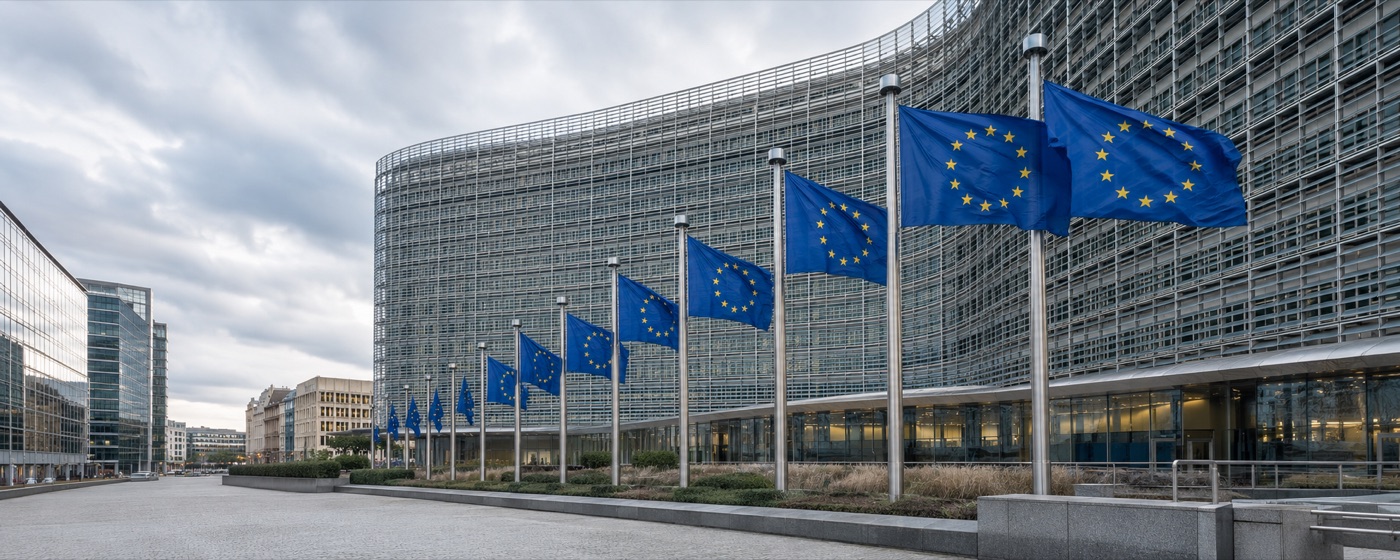
The March European Council marked a significant step in the process of strengthening the single market, approving the “One Europe, One Market” agenda, which aims to reduce regulatory fragmentation and create more favourable conditions for businesses by 2027.
Among the main lines of action is the introduction of a 28th European company law regime, designed to give businesses the possibility of operating under a uniform legal framework at EU level, overcoming the complexity arising from the coexistence of different national systems. This is accompanied by measures aimed at facilitating cross-border activity, including a unified and voluntary system of electronic declaration for services and the strengthening of the mutual recognition of professional qualifications.
A central role is assigned to the digitalisation of administrative processes. In this area, the EU intends to strengthen the “once-only” principle, which provides businesses with the possibility of supplying data only once to public administrations, and to develop operational tools such as the future “European Business Wallet”, intended to simplify access to services and reduce bureaucratic burdens in the various Member States. In parallel, measures are foreseen to improve the placing of products on the market and to overcome the fragmentation of rules on labelling and packaging, elements that today represent a significant cost for businesses operating in multiple markets.
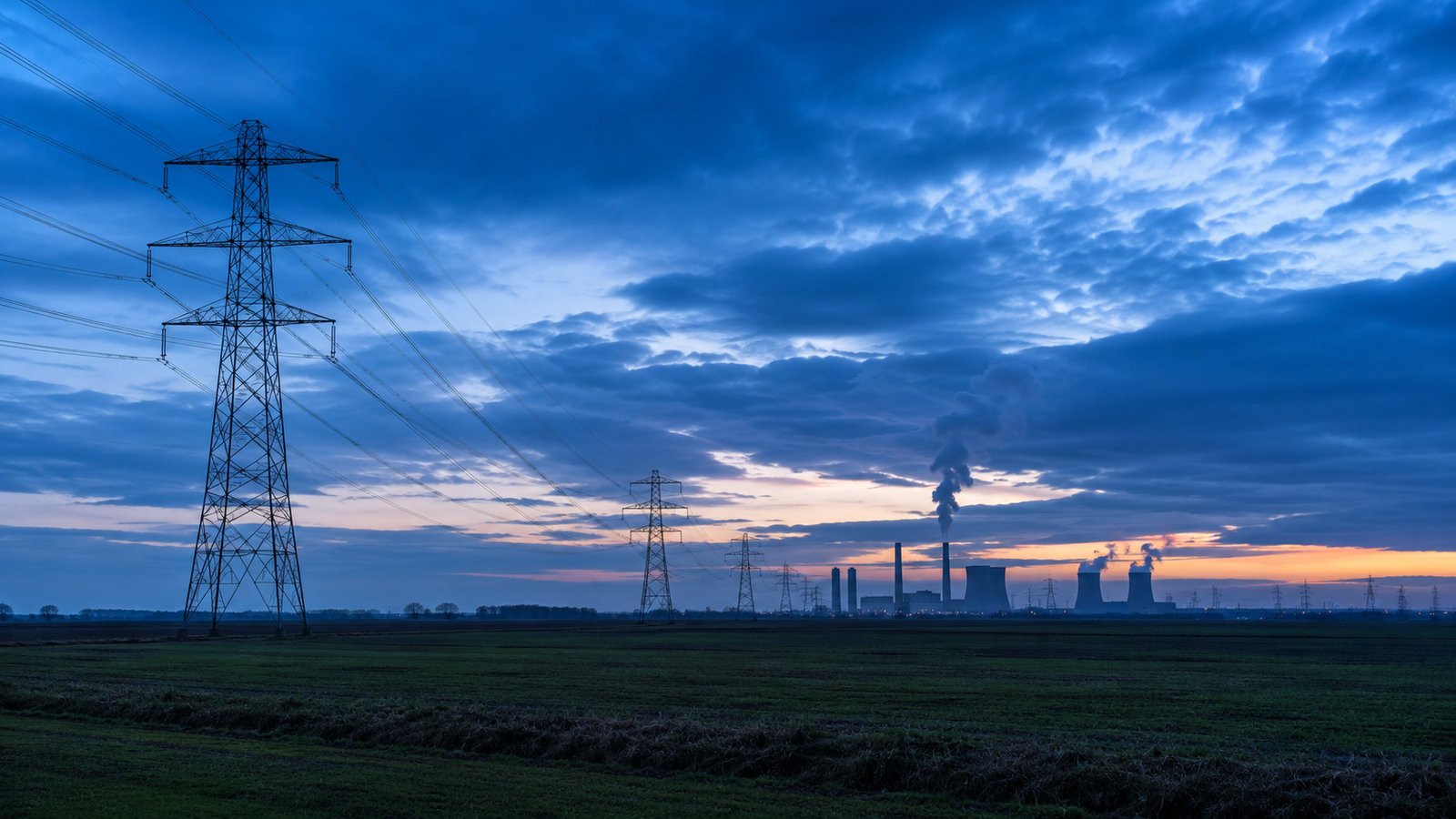
The strengthening of the single market takes place in a complex economic and geopolitical context. The rise in energy prices, aggravated by international tensions, has reignited the debate on the need for more incisive European instruments to support industrial competitiveness. In this framework, the European Commission is expected in the coming days with proposals for action on the ETS system, including the possibility of strengthening the carbon market stability reserve and of establishing a decarbonisation fund of around 30 billion euros, with the aim of containing the impact of energy costs on businesses.
For Italian companies operating in Hungary, these developments represent a strategic turning point. On the one hand, the simplification and digitalisation measures can foster greater operational integration and a reduction in administrative costs. On the other, the strengthening of the single market and European industrial policies outline a rapidly evolving competitive context, in which the capacity to adapt, efficiency and the safeguarding of markets will become increasingly decisive factors for growth.
Article edited by the Delegation of Confindustria to the European Union.